

sense spheres : ค้นหาหนังสือธรรมะ หน้า 1 / 1
หน้าหนังสือทั้งหมด
62
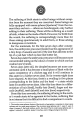
The Suffering of Birth: Understanding the Stages of Embryonic Development
…ct beings without exception from the moment they are conceived. Some beings are fully equipped with sense spheres [āyatanā] from the moment they are born — others are handicapped, only further adding to their suff…
…tus endures in the womb, making it challenging to find adequate words for its magnitude. The twelve sense spheres play a critical role in this developmental journey, as the fetus becomes increasingly aware of its …
241
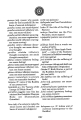
Understanding Sensory Terms in Buddhism
gammo (adj. reason why people icchā (see jealousy)
settle for the household life: see iddhipada (see Four Foundations
harm of sensual-indulgence) of Success)
gandha (scant: see sense-objects) Indra (P
This text delves into various sensory terms found in Buddhist scriptures, particularly focusing on olfactory and gustatory experiences. It covers concepts such as gandha (smell), jihvā (taste), and th
245
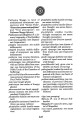
Understanding Pathama Magga and Associated Concepts
Pathama Magga (a level of *phötthabba tanhä* (tactile craving: meditational attainment, synonymous with "Initial Path", *phötthabba vicāra* (tactile discursive thought: see sense discursive thought: s
This text delves into the intricate concepts surrounding Pathama Magga in Buddhist teachings. It includes various terms such as tactile craving (*phötthabba tanhä*), tactile thought conception (*phött
246
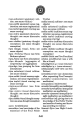
Fundamental Concepts in Buddhist Psychology
rasa-saṅchetana (gasticatory volition: see sense volition)
rasa-saṃnā (gasticatory sense registration: see sense registration)
rasa-tanḥa (gasticatory craving: see sense craving)
rasa vicāra (ga
This text elaborates on significant concepts in Buddhist psychology, including gasticatory and visual perceptions such as rasa (taste) and rūpa (form). It addresses terms like gasticatory volition, se
94
The Nature of Suffering and the Pursuit of Happiness
which they try to derive happiness are themselves of the
nature of suffering. The suffering of such people, at root
comes from their search for sense-pleasure and sense-ob-
jects. Even the suffering t
This text discusses how the pursuit of happiness through sense-pleasures results in suffering. It emphasizes that those who do not derive happiness from sense-objects remain unaffected by external mis
98
Exploring Sensual Delights and the Six Sense Organs
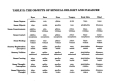
TABLE II: THE OBJECTS OF SENSUAL DELIGHT AND PLEASURE
| | Eyes | Ears | Nose | Tongue | Body Skin
This table presents an intricate overview of the six sense organs in relation to their corresponding objects, consciousness, contact, feelings, registration, volition, craving, thought conception, and
80
The Three Forms of Craving in Buddhism
The Three forms of Craving
The Lord Buddha taught that there are three sorts of craving: craving for sense-pleasure [kāmaṭhaṇa], craving for the form realms [bhavatānha] and craving for the formless r
The Lord Buddha identified three types of craving: 1) Craving for Sense-Pleasure (kāmaṭhaṇa) signifies a longing for sensory experiences which misleads individuals into thinking happiness comes from e
242
Glossary of Key Buddhist Terms
Kakusandha (P. the name of a käya samphassa (tactile contact: past Buddha) see sense-contact)
kalla (see embryonic precursor) käyasucarita (see wholesome
kāma (see sensuality) physical deeds)
kāmabhav
This text provides a glossary of key Buddhist terms, including definitions and insights into concepts such as Käyasucarita (wholesome physical deeds), Kāmabhava (sense-sphere existence), and various f
125
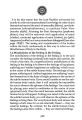
Cultivating Transcendental Knowledge in Buddhism
It is for this reason that the Lord Buddha advocated his monks to cultivate transcendental knowledge in order to put themselves beyond the reach of sensuality [kāma], unwholesomeness [akusalamadhaṃma]
The Lord Buddha encourages monks to attain transcendental knowledge to rise above sensuality and eradicate False View. Achieving the First Absorption endows practitioners with joy, happiness, and focu
6
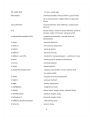
ศัพท์และความหมายทางธรรมะ
กัลป์, กัลป์, กัลป์ an eon; world-age
กัลยาณมิตร (kanlayanamitta) virtuous friend; good friend
(in a moral sense); helpful friend; supportive
ก่อนอุปถัมภ
ในเนื้อหานี้เราจะพูดถึงคำศัพท์ทางธรรมะที่เกี่ยวข้องกับ 'กาม' ซึ่งหมายถึงความปรารถนาในโลกของสัมผัส รวมถึงคำศัพท์ที่อธิบายความรู้สึกและประสบการณ์ที่เกี่ยวพันกับความสุขและความทุกข์ในชีวิต นอกจากนี้ยังมีค
38
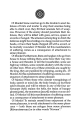
The Consequences of Attachment to Sense Pleasure
O! Monks! Some warriors go to the trouble to erect defences of brick and mortar to stop their enemies being able to climb over, they fill their arsenals full of weapons. However, if the enemy should p
This text discusses how attachment to sense pleasures leads to various forms of suffering and wrongdoing. It illustrates the consequences of indulgence, including violence and crime, and emphasizes th
100
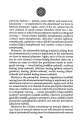
Understanding Sensual Attachments in Practice
previous factors — senses, sense objects and sense-con- sciousness — is implicated in the attachment we have to sensual pleasures. Again, each of the six senses has its own channel of sense-contact th
This text explores the relationship between the six senses and their respective sense contacts, feelings, perceptions, and volition, emphasizing the need for practitioners to extinguish craving associ
217
The Power of Non-Thinking in Meditation
Wisdom
This brightness didn't hurt my eyes. I compared
the crystal ball to a yolk because I couldn't
think of anything else that was similar to what
I saw.
I continued focusing at it peacefully, when
In this passage, the author describes a transcendent experience during meditation where crystal balls symbolize peace and awareness. The journey highlights the contrast between active thought and a st
247
Glossary of Buddhist Terms
Sammañi Dıṭṭhi (see Right View)
Sammaña Kammanta (see Right Action)
Sammaña Samādhi (see Right Concentration)
Sammaña Sambuddho (P. an epithet of the Buddha: the Perfectly Enlightened One)
Sammañ
This glossary serves as a valuable resource for those exploring Buddhism, providing definitions and explanations of important terms. It covers concepts such as Right View, Right Action, and mindfulnes
99
Understanding Sensual Attachment and Overcoming Cravings
Our sense organs [aijhattikäyatana] are implicated in the attachment we have to sensual pleasures. If we want to extinguish the craving arising because of attachment to visual temptations, then we hav
Our sense organs play a crucial role in our attachment to sensual pleasures. To overcome this attachment, we must target both the senses and their corresponding objects. Each sense - sight, sound, sme
231
Exploring Self-Mortification and Sensual Indulgence
self-mortification 19, 27, 35-7, 103, causes lamentation 32; causes one
105, 194-5: dominates contemporainary spiritual thought 194-5; examples of practice 35; fruitless 19; {metaphors, grasshopper le
This text discusses the concepts of self-mortification and sensual indulgence. It elaborates on the causes and consequences of self-mortification, which often leads to lamentation and spiritual harm.
239
Understanding Suffering in Buddhism
dhammānupassanāsaṭipatthañā dukkhā dukkhā (see the suffering (see mindfulness of mental phenomena in the mental phenomena and also Paṭhama Magga Sphere) Dhammapadāṭhākathā (P. Dhammapada Commentary) d
เนื้อหานี้นำเสนอแนวคิดเกี่ยวกับความทุกข์ในพระพุทธศาสนา รวมถึงการเป็นผู้มีสติในการประจักษ์ทุกข์ การเข้าใจความรู้สึกผิดหวังและความโกรธ ซึ่งเป็นส่วนสำคัญในเส้นทางการพัฒนาทางปัญญาและการปล่อยวาง และการเข้า
243
Buddhist Terminology and Concepts
Speech at the transcendental level) see sense consciousness) manussasampatti (see worldly wealth) Mara q.v. (P. devil, demon) maggañāṇa (see knowledge of the path out of defilements) maraṇa (see dying
This text delves into essential Buddhist terms and their meanings. It covers concepts such as Mara (the demon), Mettā (loving-kindness), and the significance of terms like 'maraṇa' (dying) and 'mutti'
87
The Cycle of Existence and Three Spheres
suffering completely, with no more attachment for the Three Spheres¹. Put another way, their practice entails extinguishing the three sorts of craving which keep them prisoner in the thirty-one realms
This text discusses the concept of craving as the root cause of rebirth in the Cycle of Existence, using a story from the Dhammapadathakā to illustrate the journey of a female piglet that was reborn m
83
Understanding Dhammakāya in Theravāda Buddhism
In a few passages, however, Sāriputta also refers to the term dhammakāya in the sense of the Buddha’s teaching.150
On the whole, traditional Theravādins interpret the term dhammakāya mostly in the se
This passage examines the term 'dhammakāya' as interpreted in traditional Theravāda Buddhism. It discusses the general view of dhammakāya as reflecting the qualities of the Buddha and the spiritual re